

Receiving the keys to a new property marks the beginning of an incredibly rewarding journey. Unlocking the front door as an official owner brings immense pride, excitement, and a strong sense of accomplishment. However, once the moving boxes are unpacked and the initial celebration settles, the practical realities of home management quickly set in. Every house requires ongoing care, thoughtful maintenance, and targeted improvements to protect its structural integrity, preserve daily functionality, and build financial equity over time.
For new buyers, the first twelve months are crucial. This foundational period establishes how well the building envelope withstands changing weather, how efficiently household routines operate, and how comfortably occupants settle into daily life. Taking a structured, step-by-step approach prevents feelings of overwhelm and keeps home improvement budgets under control. Without a clear plan, it is easy to waste time and money on decorative cosmetic fixes while ignoring urgent issues that could cause costly structural damage later on.
A well-planned first-year strategy balances immediate protective measures with rewarding interior living upgrades. By prioritizing exterior defense first and gradually working inward toward interior comfort, homeowners can rest easy knowing their investment is thoroughly safeguarded. The following guide provides a practical roadmap designed to protect major assets, optimize living spaces, and keep projects organized from day one through the end of year one.
Phase 1: Securing the Roofline and Surrounding Property
The primary line of defense for any home is its exterior shell and surrounding lot. Before scheduling high-end interior updates, new homeowners must address immediate physical risks lurking around the roof and foundation. Overgrown trees with heavy branches pose a significant hazard during severe windstorms, heavy rainfall, or winter ice. Dying limbs can break off without warning, damaging roof shingles, puncturing siding, or crushing utility wires. Contracting an experienced tree service during the very first month allows arborists to prune dangerous branches, clear hazardous root systems near underground pipes, and establish healthy clearance above the rooftop.
While addressing canopy hazards, managing stormwater drainage must also take top priority. Water pouring off the roof valleys during sudden downpours must be collected and funneled far away from the foundation. Poor drainage leads to soil erosion, cracked foundation walls, and damp basements. Enlisting a qualified seamless gutter installer ensures the home is equipped with continuous, leak-resistant channels that collect rainfall efficiently. Unlike traditional sectional troughs that rust and leak at seams, continuous gutter systems route heavy rainwater directly into downspouts, protecting basement walls and garden beds from water damage.
Investing time in roofline protection early also prevents pest problems. Clogged gutters and overhanging branches create nesting areas for squirrels, raccoons, and insects seeking entry into attic spaces. Clearing pathways around the roof keeps unwanted wildlife from damaging insulation or electrical wiring.
Protecting Exterior Walls and Boundary Lines
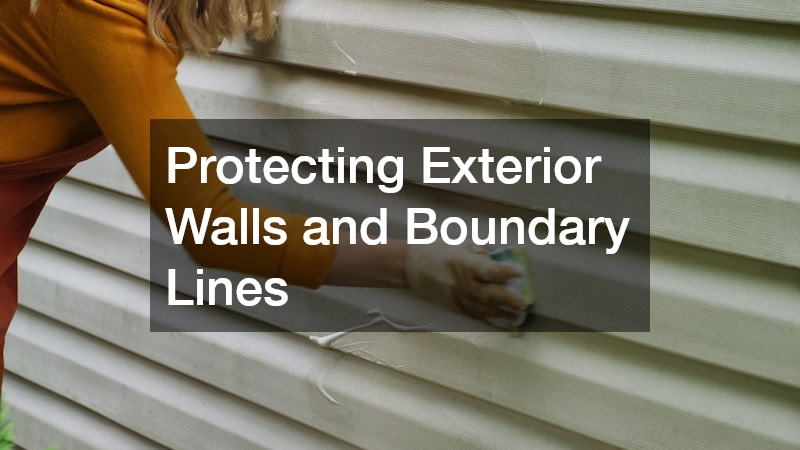
With the roof canopy cleared and water drainage secured, attention should turn toward exterior wall protection and property boundaries. Aging or weather-damaged exterior panels leave homes exposed to moisture infiltration, energy loss, and pest intrusion. Hiring a reliable siding service gives homeowners the opportunity to repair damaged exterior boards, upgrade thermal insulation layers, and seal air leaks across the entire outer shell. Replacing worn materials with modern fiber-cement or insulated vinyl panels creates a strong barrier against wind, rain, and snow, drastically reducing winter heating and summer cooling costs.
At the same time, establishing clear physical boundaries around the yard creates immediate privacy, safety, and curb appeal. Families with children or pets usually prioritize enclosing their backyards shortly after moving in. Scheduling a professional wood fence installation establishes distinct property lines, deters trespassers, and provides a safe outdoor play environment. Custom wooden fencing also acts as a natural noise buffer against street traffic while serving as a sturdy windbreak that protects sensitive landscaping, patio furniture, and basement window wells from intense gusts.
Proper boundary fencing defines outdoor living zones clearly. Whether planning a future patio, garden bed, or outdoor dining space, a well-built wooden fence creates a clean backdrop that makes backyard planning simple and structured.
Phase 2: Updating Interior Workhorses and Culinary Spaces
Once the exterior shell is completely weather-tight and secure, homeowners can turn their focus indoors toward the functional core of the home. The kitchen operates as the primary nerve center of daily life, functioning as a meal preparation hub, morning gathering area, and informal workspace. Booking comprehensive kitchen remodeling services during the middle months of year one allows buyers to correct frustrating layout flaws, update electrical panels, and install energy-efficient modern fixtures that support busy daily routines.
A central element of any successful kitchen transformation centers on storage organization and counter space optimization. Outdated cabinetry with fixed shelves often results in cluttered countertops and awkward access to cookware. Investing in a high-quality kitchen cabinet installation allows homeowners to incorporate custom roll-out trays, deep drawer dividers, and soft-close hardware. Selecting sturdy, solid wood doors and optimized corner units improves storage capacity, making daily cooking and cleaning far more pleasant and organized.
Modern kitchen updates also focus heavily on ergonomic design. Elevating counter heights, expanding island seating, and installing task lighting underneath upper units improve visibility while making daily prep work comfortable for family members and guests alike.
Upgrading Flooring Systems and Custom Storage Solutions

Flooring endures relentless daily wear from foot traffic, pets, heavy furniture, and unexpected spills. Replacing worn carpets or outdated synthetic floor coverings with genuine timber creates a warm, timeless foundation across main living spaces. Partnering with a skilled hardwood flooring contractor ensures subfloors are thoroughly inspected, leveled, and moisture-tested before installation begins. Beautifully finished wood flooring connects open floor plans naturally, improves indoor air quality by reducing dust, and adds instant resale value.
In addition to upgraded flooring, tailored storage solutions prevent clutter from overwhelming freshly painted bedrooms and living areas. Standard builder-grade wire shelving rarely maximizes available vertical wall space, leading to stacked boxes and chaotic wardrobes. Hiring specialized closet installers allows homeowners to build custom closet systems with tailored hanging heights, integrated shoe racks, and built-in drawers. From expansive walk-in primary closets to compact entryway coat closets, customized organizers ensure every item has a dedicated spot, simplifying morning routines.
Well-organized storage systems also protect personal belongings from unnecessary wear. Proper shoe cubbies, velvet-lined drawers, and adjustable shelving keep clothing, linens, and accessories pristine, organized, and easily accessible year-round.
Phase 3: Expanding Finished Square Footage and Smart Systems
After the main floor living areas are comfortable and organized, new homeowners often look toward unused lower levels for valuable expansion opportunities. Unfinished basements offer prime opportunities for building home offices, guest suites, media lounges, or personal fitness rooms. Working alongside an experienced basement remodeling contractor ensures subterranean projects include proper subfloor vapor barriers, code-compliant egress windows, and effective acoustic insulation. Finishing the basement effectively doubles usable indoor space without requiring the massive capital expenditure of an exterior home addition.
To tie physical improvements together into a cohesive modern environment, integrating centralized digital management becomes the next logical step. Managing indoor temperatures, interior lighting, security cameras, and door locks through multiple separate apps can feel disorganized. Partnering with top smart home automation companies connects these distinct electronic devices into a unified, easy-to-use smart home ecosystem. Centralized automation allows homeowners to schedule climate controls, monitor security feeds remotely, and adjust lighting scenes effortlessly from a smartphone or wall panel.
Digital home controls also enhance energy efficiency. Automated climate schedules lower heating and cooling output during hours when the house is empty, resulting in measurable savings on monthly utility bills.
Mid-Year Maintenance Checks and Outdoor Care
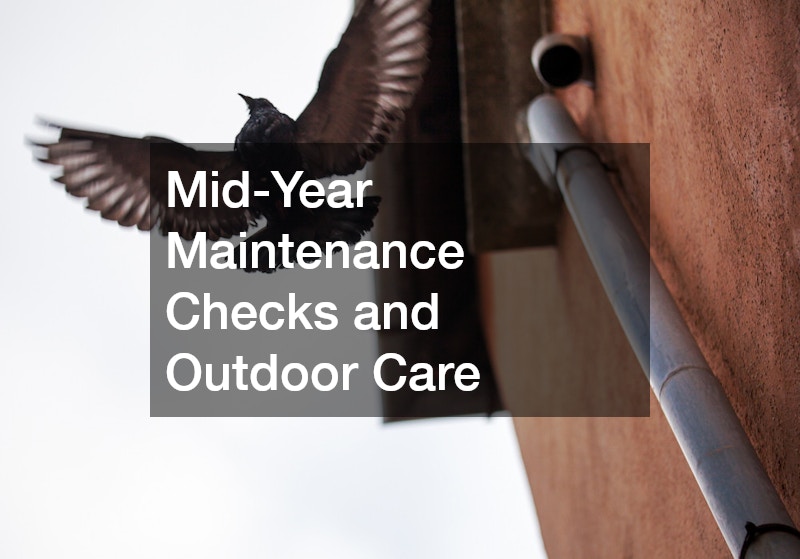
By the time the sixth or seventh month of homeownership arrives, shifting seasons present fresh maintenance demands that require proactive inspection. Severe seasonal storms, high winds, and heavy snowfall can shift tree branches or loosen exterior cladding panels, making mid-year checkups essential for long-term safety. Bringing back a trusted tree service to evaluate high canopy branches prevents unexpected limb failures during autumn storms and keeps heavy wood away from upper rooflines and power lines.
Simultaneously, inspecting exterior wall surfaces prevents moisture from sneaking behind siding panels during seasonal rainstorms. Scheduling a quick review with a professional siding service ensures any small wall cracks, loose trim boards, or failed caulking joints around window frames are sealed promptly. Addressing minor exterior defects quickly prevents moisture from reaching inner wall framing, saving thousands of dollars in potential dry rot and insulation replacement down the road.
Regular exterior maintenance checks also give owners an opportunity to inspect sealant around outdoor hose spigots, electrical outlets, and dryer vents. Keeping these penetration points sealed keeps pest infestations away and protects structural integrity.
Organizing Built-In Storage and Kitchen Details
As daily living patterns settle into a natural rhythm during the second half of the first year, minor functional shortfalls in kitchen storage and utility areas become obvious. Homeowners frequently discover specific cabinets that lack efficient organization or accessible shelving. Adding specialized internal drawer inserts, vertical tray dividers, or pull-out spice racks inside a primary kitchen cabinet setup maximizes deep corner storage and keeps essential cooking tools accessible.
Likewise, secondary utility areas like laundry rooms, pantries, and mudroom entryways benefit immensely from custom built-in cabinetry and hanging racks. Re-engaging professional closet installers to build specialized mudroom lockers, laundry folding tables, and pantry shelving units transforms chaotic utility hubs into organized spaces. Custom built-in storage keeps cleaning supplies, outdoor wear, and bulk grocery items neatly tucked away out of view.
Streamlining utility storage also creates a calm, ordered atmosphere throughout entry points. Having dedicated slots for sports equipment, coats, and footwear prevents clutter from spilling over into the main living spaces during busy workweeks.
Long-Term Exterior Care and Perimeter Safeguards

As the first year enters its final quarter, maintaining exterior water management and perimeter structures remains an essential focus for long-term home preservation. Leaves, twigs, and roof debris naturally accumulate during autumn, threatening to block gutter troughs and downspouts. Arranging a seasonal inspection with a local seamless gutter installer ensures gutter lines remain free of clogs, properly pitched toward downspouts, and fitted with durable leaf guards to handle heavy winter snowmelt.
At the same time, checking timber structures around property boundaries ensures stability against ground movement, moisture, and soil shifts. Scheduling a routine maintenance check for a wood fence installation helps identify loose post footings, sagging gate latches, or minor wood splitting before winter weather worsens. Applying protective wood stains and repairing hardware early preserves the fence’s structural strength and keeps the backyard fully enclosed and secure.
Taking time to inspect perimeter gates and hinges ensures outdoor security remains uncompromised. Well-maintained gates prevent pets from escaping and provide reliable access for landscaping crews throughout the year.
Executing Advanced Interior Expansion and Living Upgrades
During the closing months of the first year, property owners are well-positioned to tackle complex interior projects that require extensive planning and contractor coordination. Finishing lower-level entertainment spaces or adding basement guest suites requires careful trade sequencing. Partnering with a licensed basement remodeling contractor ensures that framing, mechanical rough-ins, electrical wiring, and drywall installation proceed according to strict local building codes and safety standards.
Concurrently, adding final detailed flourishes to the main floor living areas completes the home’s overall design aesthetic. Completing specialized kitchen remodeling services during this phase allows homeowners to install custom tile backsplashes, under-cabinet LED task lighting, and decorative crown molding. These targeted finishing touches tie structural updates together, creating a beautiful, cohesive interior that reflects the owner’s personal taste.
Finishing major structural updates before the end of year one provides a clean slate for future living. With heavy construction completed, owners can enjoy their homes fully without living in ongoing construction zones.
Final Checklist for Long-Term Value and Peace of Mind
Reaching the one-year milestone of homeownership is a major accomplishment that deserves celebration. Walking through a safely protected, beautifully updated, and organized home provides tremendous pride and personal satisfaction. Booking a professional hardwood flooring contractor for a lightweight protective screen and recoat keeps timber floors looking brand new despite a full year of active household foot traffic, pet paws, and furniture movement.
Lastly, optimizing home technology ensures long-term comfort, security, and energy savings in year two and beyond. Refining automated lighting routines and climate controls with assistance from smart home automation companies lowers monthly utility costs while maximizing everyday security. By following a structured, phased masterplan throughout the first year, new homeowners successfully protect their financial investment, enhance daily comfort, and build a beautiful sanctuary for years to come.
