
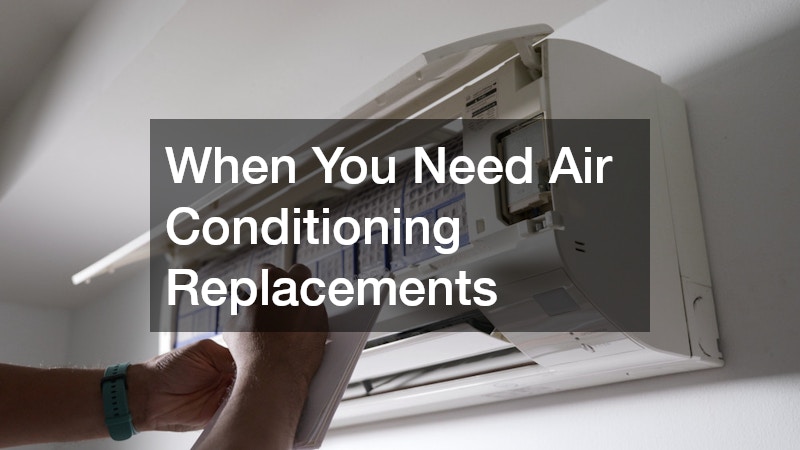
During the peak heat of summer, a functional cooling system is far more than a luxury—it is essential for home comfort and indoor air safety. However, like any mechanical equipment, central air conditioners and heat pumps eventually reach the end of their operational lifespan. Recognizing the warning signs that indicate a system is beyond simple repair helps homeowners plan proactively, avoiding catastrophic breakdowns during the hottest months of the year.
Understanding when air conditioning replacements are necessary, how to evaluate replacement costs against ongoing repairs, and what to consider when choosing a modern system ensures a smooth transition to energy-efficient home cooling.
1. Key Indicators That It Is Time for a Replacement
Deciding whether to repair an aging cooling system or invest in a full replacement can be challenging. Watching for specific performance red flags helps clarify when a new installation is the most cost-effective path forward.
System Age Exceeds 10 to 15 Years
The average lifespan of a standard residential air conditioner ranges from 10 to 15 years, depending on regional usage patterns and routine maintenance history. Even if an older unit continues to run, internal components like the compressor, motor bearings, and evaporator coils suffer cumulative wear over time.
Frequency and Escalating Cost of Repairs
If you find yourself calling an HVAC technician every summer for quick fixes, those repair bills quickly accumulate. A useful benchmark is the $5,000 Rule: multiply the age of your air conditioning unit by the estimated cost of the repair. If the total exceeds $5,000 (for example, a 12-year-old system needing a $500 repair equals $6,000), investing in a full replacement is usually the smarter financial decision.
Rapidly Rising Energy Bills
As air conditioners age, mechanical friction and component degradation force the compressor and blower motor to work harder and run longer to reach the set thermostat temperature. A sudden, unexplained spike in your summer electricity bills—despite consistent thermostat settings—often points to declining system efficiency that routine maintenance can no longer fix.
Use of Phased-Out Refrigerants (R-22)
Older air conditioning units installed before 2010 typically use R-22 Freon refrigerant. Because production and import of R-22 have been fully phased out due to environmental regulations, sourcing R-22 to fix refrigerant leaks has become extremely expensive. If an older R-22 system suffers a major leak, replacing the unit with a modern system using eco-friendly refrigerants is far more economical than paying for scarce, overpriced coolant.
2. Benefits of Modern Air Conditioning Upgrades
While replacing a central cooling system requires an upfront investment, upgrading to modern equipment delivers immediate operational and financial benefits for homeowners.
Superior Energy Efficiency and Lower Utility Costs
Air conditioner efficiency is measured by the SEER2 (Seasonal Energy Efficiency Ratio 2) rating. Older units often operate at ratings of 10 to 12 SEER. Modern entry-level replacement systems start at 13.4 to 14.3 SEER2 (depending on your regional regulations), with high-efficiency variable-speed models exceeding 20 SEER2. Upgrading from an old 10 SEER unit to a high-efficiency model can reduce summer cooling costs by 30% to 50%.
-
Two-Stage and Variable-Speed Compressors: Unlike older single-stage units that only run at 100% capacity or zero, variable-speed systems continuously adjust cooling output in tiny increments. This creates precise temperature control, quieter operation, and superior humidity removal.
-
Smart Thermostat Integration: Modern systems sync effortlessly with programmable and Wi-Fi smart thermostats, allowing you to optimize cooling schedules and monitor energy usage from your smartphone.
Improved Indoor Air Quality
Newer air handlers feature improved filtration options, including high-MERV filter cabinets, integrated UV air purifiers, and whole-home dehumidifiers. These additions capture dust, pollen, pet dander, and mold spores far more effectively than outdated equipment.
3. What to Expect During the Replacement Process
A successful cooling installation involves far more than simply swapping out the outdoor box. A qualified HVAC contractor takes a comprehensive, engineered approach to ensure long-term system performance.
Evaluating Existing Ductwork and Electrical Infrastructure
Your contractor will inspect the home’s air ducts, refrigerant line sets, and electrical service panel. Leaky or undersized ductwork can waste up to 30% of your new system’s conditioned air, so sealing or upgrading ducts during the installation ensures you receive maximum energy efficiency.
By recognizing the signs of an aging cooling system and working with certified HVAC professionals for air conditioning replacements, homeowners can enjoy reliable summer comfort, lower monthly energy bills, and long-term peace of mind.
Conclusion
Deciding on air conditioning replacements is a major milestone in maintaining your home’s comfort, efficiency, and indoor air quality. By monitoring key warning signs—such as system age, frequent repair calls, rising utility bills, and outdated refrigerants—you can time your upgrade proactively before an unexpected summer breakdown occurs. Partnering with certified HVAC professionals for proper system sizing and expert installation ensures your new high-efficiency unit delivers reliable cooling, whisper-quiet operation, and lower monthly energy costs for years to come. Investing in a modern cooling replacement ultimately restores complete indoor comfort, protects your property value, and offers total peace of mind during the hottest months of the year.
