

Turning Your Vision Into a Complete Home Transformation
Transforming your home is an exciting opportunity to create a space that better fits your lifestyle, improves comfort, and increases long-term value. Whether you’re updating a few rooms or reimagining your entire layout, a successful transformation depends on thoughtful planning and strategic execution. Without a clear roadmap, even the most exciting projects can quickly become overwhelming, leading to delays, budget overruns, and unsatisfactory results.
A well-executed home transformation goes beyond surface-level changes. It considers how each element of your home works together—from structural integrity and functionality to aesthetics and energy efficiency. Every decision you make should support your overall vision while also enhancing day-to-day usability. This means prioritizing upgrades that not only look good but also improve how your home performs over time.
One of the most important aspects of a successful project is sequencing. Knowing what to tackle first and how each phase connects prevents costly mistakes and rework. It also ensures that your investment delivers lasting results rather than temporary improvements.
In the sections below, you’ll find practical, step-by-step strategies to help you plan and execute a home transformation with confidence. These insights will guide you through each stage, from initial planning to final touches, so you can achieve a cohesive and rewarding outcome.
Define Your Goals and Set a Realistic Budget
Before starting any major project, it’s essential to define what you want to achieve. Are you focused on improving functionality, updating outdated spaces, or increasing your home’s value? Clarifying your priorities will help guide every decision moving forward and prevent unnecessary changes that can drive up costs.
A key part of this process is understanding the scope of your project. Home remodeling can range from small updates to a full-scale transformation. If you’re considering a whole house renovation, it’s especially important to think about how each area of your home will be impacted and how those changes will work together. This level of planning helps avoid inconsistencies and ensures a cohesive result.
Budgeting is equally critical. Start by determining how much you’re willing to invest and then allocate funds to different aspects of the project. Be sure to include a contingency fund for unexpected expenses, as surprises are common in renovation projects. Breaking your budget into phases can make the process more manageable and allow you to prioritize the most important upgrades first.
By clearly defining your goals and setting realistic financial expectations, you create a strong foundation for a smooth and successful transformation.
Hire the Right Professionals for a Smooth Process

Choosing the right team is one of the most important decisions you’ll make during your project. Experienced remodeling contractors bring valuable expertise, helping you avoid common pitfalls and ensuring that each phase of the transformation is completed correctly. They also coordinate different aspects of the project, keeping everything on schedule and within budget.
When evaluating contractors, take the time to review their past work, check references, and confirm that they are properly licensed and insured. Clear communication is essential, so choose professionals who listen to your ideas and provide detailed explanations of their approach.
In addition to general contractors, certain upgrades require specialized expertise. For example, hiring a qualified electrician service is crucial for any work involving wiring, lighting, or electrical systems. This ensures that all installations meet safety standards and function properly.
Investing in the right professionals may seem like a significant upfront cost, but it ultimately saves time, reduces stress, and leads to higher-quality results. A skilled team can turn your vision into reality while minimizing complications along the way.
Start With Structural and System Upgrades First
Before focusing on aesthetics, it’s important to address the foundational aspects of your home. Structural and system upgrades form the backbone of a successful transformation, ensuring that everything else functions properly and safely. Skipping this step can lead to major setbacks, especially if hidden issues are discovered after cosmetic work has already been completed.
If you’re undertaking a whole house renovation, this step is especially critical. Updating electrical systems, plumbing, and insulation early in the process prevents the need to undo finished work later. For example, upgrading outdated wiring with the help of a professional electrician service ensures your home can handle modern energy demands, including new appliances, lighting systems, and smart home features. It also reduces the risk of electrical hazards, which is essential for long-term safety.
Beyond electrical work, this stage often includes reinforcing structural elements, fixing foundation concerns, and improving ventilation. These upgrades may not be visible once the project is complete, but they directly impact your home’s durability and efficiency. Addressing problems like leaks or poor insulation at this stage helps regulate indoor temperature and prevents moisture-related damage.
This phase may not be the most visually exciting, but it’s one of the most important. Taking the time to get these elements right creates a solid foundation for the rest of your project, allowing every upgrade that follows to perform better and last longer.
Upgrade Flooring for Durability and Style

Flooring plays a major role in both the appearance and functionality of your home. Choosing the right material can enhance your space while also providing long-term durability.
Hardwood flooring is a popular choice for its timeless look and ability to withstand daily wear. It adds warmth and character to any room while also increasing property value. When incorporated into your home remodeling plan, it creates a cohesive and high-end feel throughout the space.
Selecting the right flooring also depends on the specific needs of each area. For example, moisture-resistant options may be better suited for kitchens or bathrooms, while hardwood works well in living areas and bedrooms.
Proper installation is key to ensuring your flooring lasts for years. Working with experienced professionals helps prevent issues like uneven surfaces or premature wear.
By investing in quality flooring, you create a strong visual foundation that ties your entire transformation together.
Improve Natural Light and Efficiency With Window Upgrades

Windows have a significant impact on both the look and performance of your home. Upgrading them can improve natural light, enhance energy efficiency, and create a more comfortable living environment. Older windows often allow drafts, uneven temperatures, and excessive heat transfer, which can make certain rooms feel too hot or too cold depending on the season. By upgrading, you create a more consistent indoor climate that supports overall comfort.
Window replacement is one of the most effective ways to reduce energy loss and improve insulation. Modern windows are designed with advanced features such as double or triple panes, low-emissivity coatings, and improved sealing technology. These elements work together to keep indoor temperatures stable, reducing the strain on your heating and cooling systems. Over time, this can lead to noticeable savings on energy bills while also reducing wear on HVAC equipment.
In addition to replacing outdated windows, home window tinting offers an extra layer of protection. Tinting helps block UV rays, reduce glare, and maintain privacy while also contributing to energy savings. It can also help protect furniture, flooring, and décor from fading caused by prolonged sun exposure.
Choosing the right style and placement of windows can transform the feel of your home, making spaces brighter and more inviting. Strategic placement allows more natural light to flow through your home, reducing the need for artificial lighting during the day and enhancing the overall ambiance of your living spaces.
Refresh Interior Spaces With Professional Painting
One of the simplest yet most impactful ways to transform your home is through paint. A fresh coat can completely change the look and feel of a space, making it appear cleaner, brighter, and more modern. It can also help redefine how rooms are used—for example, lighter tones can make small spaces feel larger, while deeper shades can add warmth and character to larger areas. Strategic color choices can even influence mood, creating calming environments in bedrooms or energizing spaces in kitchens and living areas.
Hiring a professional painting company ensures a high-quality finish that lasts. Skilled painters know how to properly prepare surfaces by cleaning, sanding, and priming, which is essential for long-term durability. They also understand how different lighting conditions affect color, helping you avoid common mistakes like choosing shades that look different once applied. Their expertise results in smooth, even coverage without streaks, drips, or missed spots.
Working with a painting contractor also helps you select colors that complement your overall design. They can recommend palettes that coordinate with flooring, furniture, and architectural features, creating a cohesive look throughout your home. Neutral tones are often a safe choice, but professionals can also guide you in incorporating accent walls or subtle contrasts for added visual interest.
Painting is not just about aesthetics—it also protects surfaces from wear and damage. High-quality paint acts as a barrier against moisture, stains, and everyday wear, helping preserve your walls and extend their lifespan.
Incorporate Custom Features for a Personalized Touch
Adding custom elements is a great way to make your home uniquely yours. From built-in storage to one-of-a-kind furniture, these features enhance both functionality and style.
Custom furniture companies can create pieces tailored to your specific needs, ensuring a perfect fit for your space. Whether it’s a custom shelving unit or a statement dining table, these additions add character and practicality.
Integrating custom features into your home remodeling plan allows you to maximize space and improve organization. Multi-functional designs are especially useful, as they serve multiple purposes while maintaining a clean and cohesive look.
By focusing on personalization, you create a home that reflects your lifestyle and preferences, making your transformation truly meaningful.
Coordinate Design Elements for a Cohesive Look
A successful transformation requires careful coordination of all design elements. Colors, textures, and materials should work together to create a unified and harmonious appearance.
For example, pairing hardwood flooring with complementary wall colors can enhance the overall aesthetic. Working with a painting contractor helps ensure that your color choices align with your flooring and other design features.
Creating a design board or visual plan can help you see how different elements will come together. This prevents mismatched styles and ensures a consistent look throughout your home.
Attention to detail is key in this phase. Small choices, such as trim colors or finishes, can have a big impact on the final result. By planning carefully, you can achieve a polished and cohesive design.
Plan for Efficiency and Long-Term Maintenance
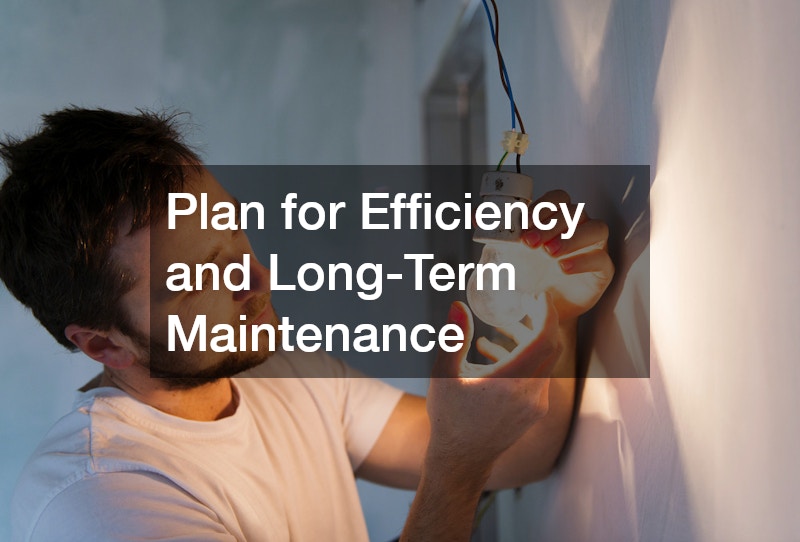
A well-designed home should not only look great but also function efficiently. Incorporating energy-saving features and durable materials helps reduce long-term costs and maintenance.
Window replacement plays a major role in improving insulation and reducing energy consumption. Upgrading to energy-efficient models can significantly lower utility bills over time.
Similarly, working with a qualified electrician service ensures that your electrical systems are optimized for modern use. Efficient lighting and updated wiring contribute to both safety and energy savings.
By prioritizing efficiency, you create a home that is easier to maintain and more cost-effective to operate. These benefits add long-term value to your investment.
Manage the Project Timeline and Final Touches
Keeping your project on track requires careful planning and organization. Establishing a realistic timeline helps ensure that each phase is completed in the correct order and within your desired timeframe.
Experienced remodeling contractors play a key role in managing schedules and coordinating different aspects of the project. Their expertise helps prevent delays and ensures that work progresses smoothly.
As your project nears completion, scheduling installations with custom furniture companies ensures that final elements are added seamlessly. This stage is all about refining details and making sure everything aligns with your original vision.
Allowing extra time for unexpected delays is important, as renovation projects often encounter unforeseen challenges. Staying flexible and proactive helps you navigate these situations without compromising your results.
Bringing Your Home Transformation Vision to Life
A successful home transformation is the result of careful planning, thoughtful design, and skilled execution. By approaching each phase with a clear strategy, you can create a space that is both functional and visually appealing.
From setting goals and hiring the right professionals to selecting materials and coordinating design elements, every step plays a crucial role in the final outcome. Taking the time to plan and prioritize ensures that your investment delivers lasting value.
With the right approach, your home can become a space that not only meets your needs but also enhances your daily life.
