

Home improvement projects rarely happen in isolation. A kitchen upgrade may require plumbing coordination, exterior work can impact interior schedules, and utility services often influence when and how improvements can move forward. Homeowners who approach projects one at a time without considering the bigger picture often encounter delays, disruptions, or rework that could have been avoided with better planning. Balancing interior upgrades with exterior and utility services requires a strategic mindset that accounts for sequencing, access, and long-term performance.
The key to successful coordination lies in understanding how different systems and improvements interact. Interior projects affect daily living spaces, while exterior upgrades influence protection, access, and curb appeal. Utility services operate behind the scenes but are foundational to comfort and functionality. When these elements are planned together rather than separately, projects tend to progress more smoothly, timelines remain predictable, and results feel cohesive rather than piecemeal.
This guide walks homeowners through a structured approach to balancing interior renovations, exterior improvements, and essential utility services. Each section focuses on a specific category of work, explaining how it fits into a broader improvement plan and when it should be prioritized. By approaching home upgrades holistically, homeowners can reduce stress, protect their investment, and ensure that every improvement supports the next.
Taking a holistic view of home improvements also allows homeowners to anticipate how decisions made today will influence future maintenance and upgrades. A renovation plan that considers access points, utility connections, and long-term durability helps prevent situations where completed work must be altered to accommodate overlooked needs. This approach encourages better communication between service providers and ensures that each phase of work builds logically on the last. When homeowners understand the interdependence of systems and structures, they can allocate time and attention more effectively, reducing surprises and maintaining momentum throughout the project. Rather than reacting to issues as they arise, proactive coordination supports smoother execution and more predictable outcomes. By setting clear priorities and understanding how each improvement fits into the larger picture, homeowners can move forward with greater confidence, knowing their efforts are aligned with both immediate goals and long-term property performance.
Planning Kitchen and Interior Surface Upgrades First
Interior renovations often feel like the most visible and exciting part of a home improvement plan, especially when they involve high-impact areas like kitchens. Countertops, cabinetry, and layout changes influence how spaces function daily. When planning these upgrades, homeowners should consider how interior work might affect or be affected by exterior access, utility shutoffs, or structural changes. Installing a granite countertop, for example, requires precise measurements, stable cabinetry, and controlled indoor conditions.
Interior surface upgrades are best scheduled after any necessary structural adjustments but before exterior projects that may generate dust or vibration. Kitchens are central living spaces, so minimizing disruption is essential. Coordinating timelines with plumbing, electrical, and ventilation needs helps ensure the space is fully functional once finishes are installed.
Planning interior upgrades early also allows homeowners to align design choices with future exterior improvements. Color palettes, sightlines, and natural light considerations often connect interior spaces with outdoor areas. By prioritizing interior surfaces thoughtfully, homeowners establish a design foundation that supports later improvements rather than conflicting with them.
Coordinating Stone Finishes With Structural Readiness

Stone surfaces add durability and visual weight to a home, but they require careful planning to perform well long term. When incorporating natural stone countertops into an interior upgrade plan, homeowners should evaluate whether the supporting structures are prepared to handle the material’s weight and installation requirements. Cabinets, flooring, and substructures must be level and secure before stone is introduced.
This type of upgrade should be coordinated with any nearby exterior or utility work that could affect structural stability. Vibrations from exterior construction or foundation-related projects can impact newly installed stone surfaces if scheduled improperly. Ensuring that all major structural or mechanical work is completed beforehand protects the integrity of stone finishes.
Stone upgrades also influence how other improvements are sequenced. Because stone is often one of the final interior finishes installed, it serves as a milestone signaling that surrounding work should already be complete. Treating stone installation as a checkpoint in the broader project plan helps homeowners maintain order and avoid unnecessary adjustments later.
Managing Temporary Needs During Major Projects
Large-scale home improvement projects often require temporary accommodations to maintain safety and usability. When multiple interior and exterior services are happening simultaneously, planning for short-term needs becomes essential. On projects involving extended outdoor work or limited access to interior facilities, porta potty rentals may be necessary to keep crews efficient and reduce disruption inside the home.
Temporary solutions should be arranged early to prevent delays once work begins. Proper placement ensures accessibility without interfering with landscaping, driveways, or utility lines. Coordinating these needs alongside project schedules helps maintain cleanliness and workflow efficiency.
Planning for temporary services also reflects a homeowner’s broader organizational strategy. Anticipating short-term requirements reduces stress and keeps projects moving forward without unnecessary interruptions. These logistical details may seem minor, but addressing them proactively contributes to a smoother overall renovation experience.
Sequencing Roof Work With Interior Protection

Exterior protection plays a critical role in preserving interior improvements. Roofing work, in particular, should be carefully timed to avoid exposing interior spaces to weather or debris. When working with a slate roof contractor, homeowners should prioritize roof stability before completing sensitive interior upgrades that could be damaged by moisture or temperature fluctuations.
Roof projects are best scheduled early in the renovation timeline, especially if interior ceilings, insulation, or finishes are being updated. Ensuring that the roof is secure provides a controlled environment for subsequent interior work. This sequencing reduces the risk of delays caused by weather-related setbacks.
Coordinating roof upgrades with interior planning also allows homeowners to address ventilation and insulation holistically. These elements affect both energy efficiency and comfort, bridging the gap between exterior protection and interior livability. A stable roof creates the conditions necessary for successful interior upgrades.
Keeping Projects Clean and Organized
Home improvement projects generate waste, debris, and materials that must be managed effectively. Coordinating garbage collection services is an essential part of balancing multiple upgrades, especially when interior and exterior work overlap. Proper waste management keeps work areas safe, accessible, and organized.
Scheduling waste removal alongside project milestones prevents clutter from slowing progress. Clear disposal plans also reduce the risk of damage to finished surfaces or landscaping. For homeowners living on-site during renovations, cleanliness plays a major role in maintaining daily routines.
An organized approach to waste management reflects thoughtful project coordination. When debris is handled efficiently, contractors can focus on their tasks without navigating obstacles. Clean sites also make it easier to identify completed work and monitor progress across different areas of the home.
Aligning Energy Needs With Seasonal Planning
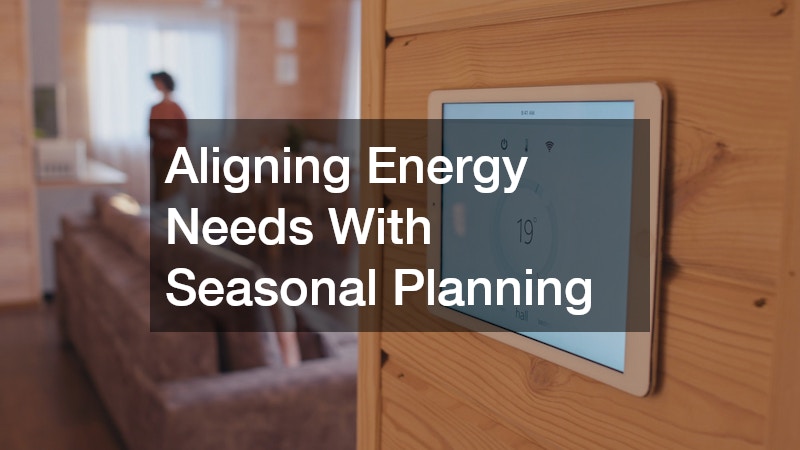
Utility services often dictate the timing of home improvements, particularly those related to comfort and efficiency. In colder climates, coordinating upgrades with local heating oil delivery schedules helps ensure uninterrupted comfort during renovation periods. Planning around seasonal energy needs prevents disruptions that could stall progress or affect indoor conditions.
Interior upgrades involving insulation, flooring, or wall systems benefit from stable temperatures. Aligning these projects with reliable energy delivery supports consistent indoor environments. Exterior work can also impact heating efficiency, making coordination between upgrades and utility services essential.
By considering energy needs as part of the broader improvement plan, homeowners avoid last-minute adjustments and maintain comfort throughout the project. This proactive approach ensures that utility services support, rather than hinder, renovation timelines.
Enhancing Efficiency Through Openings and Transitions
Openings between interior and exterior spaces play a significant role in energy efficiency, accessibility, and design continuity. Upgrading windows and doors often bridges interior renovations with exterior improvements. These elements influence natural light, ventilation, and thermal performance throughout the home.
Timing these upgrades requires coordination with both interior finishes and exterior siding or trim work. Installing new openings before final interior detailing prevents rework and ensures proper sealing. Exterior alignment also affects weather resistance and long-term durability.
By treating openings as transition points rather than isolated components, homeowners create cohesive upgrades that enhance both form and function. Proper sequencing ensures that improvements work together rather than competing for attention or resources.
Integrating Lifestyle Features With Infrastructure

Lifestyle enhancements often follow major structural and utility upgrades. Outdoor amenities, in particular, should be planned with existing systems in mind. When considering hot tubs for sale as part of a home improvement plan, homeowners must account for electrical capacity, drainage, and access.
These features should be scheduled after foundational work but before final landscaping or deck finishes. Coordinating installation with utility upgrades prevents disruptions and ensures safe operation. Placement decisions also affect how the feature integrates with the surrounding environment.
Lifestyle additions work best when treated as part of a comprehensive plan rather than an afterthought. By aligning these enhancements with infrastructure readiness, homeowners create spaces that feel intentional and functional.
Protecting Utility Systems During Exterior Enhancements
Utility systems require regular maintenance, and some services are best addressed before exterior upgrades are completed. Scheduling a septic tank pumping service prior to major landscaping or hardscaping prevents future disruptions. Access points should remain clear and functional throughout renovation phases.
Addressing utility maintenance early protects newly installed surfaces from potential damage. It also allows homeowners to focus on aesthetic improvements without concern for underlying system issues. Coordination between utility service providers and contractors ensures that access needs are respected.
By prioritizing essential maintenance before finalizing exterior work, homeowners safeguard both functionality and appearance. This sequencing supports long-term performance and reduces the likelihood of rework.
Completing Outdoor Structures With Confidence
Outdoor structures often serve as the final stage of a comprehensive improvement plan. Decks, patios, and gathering spaces rely on stable foundations, completed utilities, and finished exterior surfaces. Working with a deck builder at the right time ensures that the structure integrates seamlessly with surrounding upgrades.
Deck construction should follow major utility and landscaping work to avoid interference. Proper timing allows for accurate grading, drainage, and access planning. The result is a finished space that complements both interior and exterior improvements.
Completing outdoor structures last provides a sense of closure to the renovation process. These spaces often become extensions of interior living areas, reflecting the success of thoughtful planning and coordination.
Balancing interior upgrades with exterior and utility services requires a comprehensive approach that considers timing, interaction, and long-term performance. By understanding how each improvement influences the others, homeowners can prioritize projects effectively and avoid unnecessary disruptions. Thoughtful sequencing protects investments and creates cohesive results.
A well-planned improvement strategy transforms individual projects into a unified whole. When interior, exterior, and utility upgrades are coordinated intentionally, the home becomes more functional, comfortable, and resilient. With careful planning and attention to detail, homeowners can navigate complex renovations with confidence and achieve lasting results.
A coordinated home improvement plan also provides long-term benefits well beyond the completion of individual projects. Homes that are upgraded with sequencing and system compatibility in mind tend to experience fewer disruptions during future maintenance and seasonal transitions. Thoughtful planning makes it easier to adapt spaces as needs change, whether that involves expanding living areas, updating utilities, or enhancing outdoor functionality. This level of foresight supports better decision-making and preserves the integrity of completed work over time. By viewing home improvements as interconnected rather than isolated tasks, homeowners establish a framework that supports ongoing care and adaptability. The result is not only a more efficient renovation process but also a home that continues to perform reliably and comfortably. When improvements are approached with balance and coordination, they contribute to a living environment that remains resilient, practical, and enjoyable for years to come.
